October 23, 2026
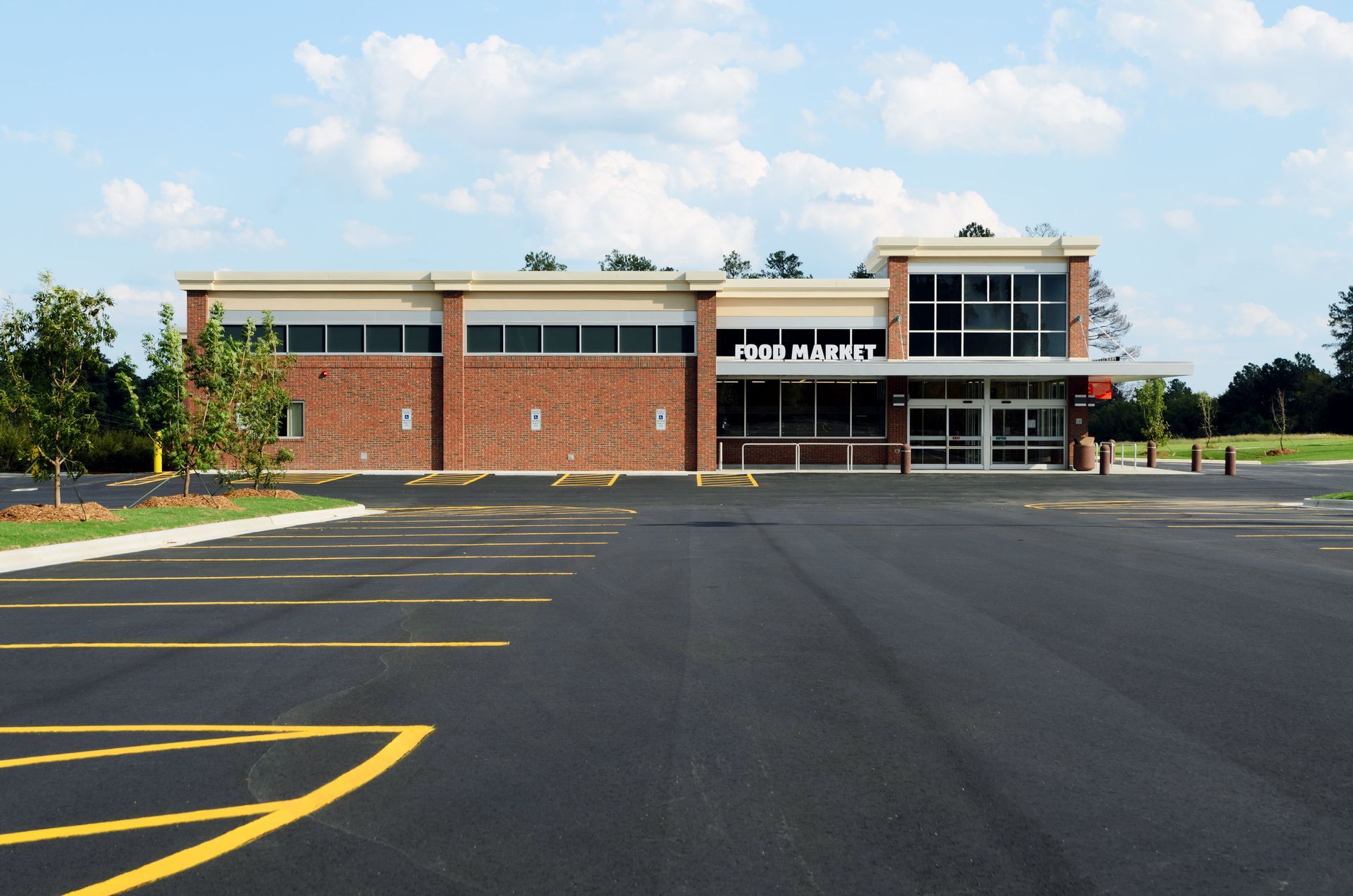
Parking lots experience constant activity from vehicles, pedestrians, delivery trucks, and changing weather conditions. As people enter and leave a property, debris gradually accumulates across driving lanes, parking spaces, sidewalks, and drainage areas. Leaves, dirt, litter, and loose materials can affect the appearance of a property while creating hazards for drivers and pedestrians. Keeping these areas clean is an important part of maintaining a safe and welcoming environment.
A professional parking lot sweeping service helps remove unwanted debris before it becomes a larger problem. Regular sweeping supports safer traffic movement, improves visibility, protects pavement, and contributes to a more organized property. Understanding how this process works can help property owners and managers recognize the benefits of incorporating sweeping into their routine maintenance plans.
Remove Loose Debris From Driving Surfaces
Loose debris can create unexpected hazards throughout a parking lot. Gravel, broken glass, discarded packaging, and other materials may interfere with tire traction or become dangerous when vehicles drive over them. Smaller objects can also be kicked up by passing cars, potentially striking nearby vehicles or pedestrians. Removing these materials helps create a cleaner surface for everyone using the property.
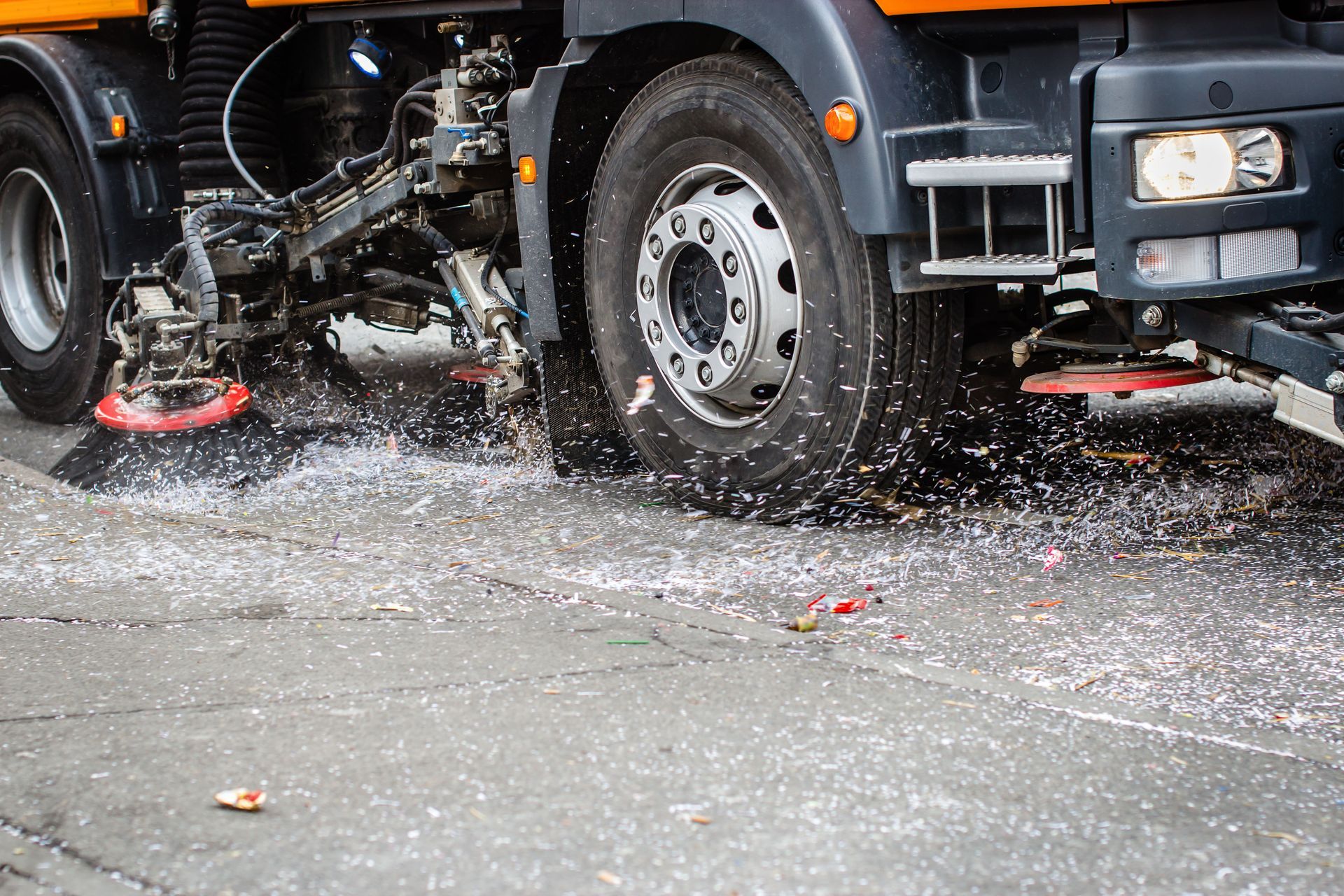
A parking lot sweeping service uses specialized equipment to collect debris from areas that ordinary cleaning methods may not reach efficiently. Mechanical sweepers and vacuum-assisted systems can gather dirt, litter, and other loose materials across broad pavement surfaces.
Consistent removal also helps prevent debris from spreading into neighboring areas. Wind and vehicle movement can carry litter from parking spaces into driving lanes, landscaped sections, and pedestrian walkways. Scheduled sweeping limits this accumulation and supports a more controlled environment throughout the property.
Property managers can improve results by identifying areas where debris tends to collect. Loading zones, entrances, corners, and spaces near landscaping may require particular attention.
Improve Visibility for Drivers and Pedestrians
Clear pavement markings help drivers recognize parking spaces, directional arrows, pedestrian crossings, and designated traffic lanes. When dirt and litter accumulate over these markings, important visual information can become harder to distinguish. Keeping pavement clean helps preserve the visibility of existing markings and makes the layout easier for visitors to understand.
A parking lot sweeping service removes loose materials that may obscure painted lines and directional indicators. Although sweeping does not replace pavement marking maintenance or repainting, it helps prevent ordinary debris from interfering with the appearance of these features.
Visibility also matters near entrances, intersections, and pedestrian routes. Accumulated leaves, litter, and dirt can distract visitors or make certain areas appear neglected. Removing this material supports a more orderly setting in which drivers and pedestrians can better recognize the features of their surroundings.
Property owners should pay particular attention to areas with frequent vehicle and foot traffic. Keeping these spaces clear helps maintain a consistent appearance and supports the intended use of designated walkways, crossings, and parking areas.
Reduce Hazards From Water and Slippery Materials
Water management is another important consideration in parking lot maintenance. Leaves, litter, sediment, and other debris can collect around drainage grates and curb openings, potentially restricting the movement of rainwater. When water cannot drain properly, it may accumulate across pavement and create conditions that complicate vehicle and pedestrian movement.
Routine sweeping helps remove loose materials before they become concentrated around drainage points. By collecting debris from pavement surfaces and directing attention to areas where sediment gathers, maintenance crews can support more effective drainage maintenance.
Organic debris can also become slippery when wet. Wet leaves, decomposing plant matter, and muddy residue may reduce traction in areas where vehicles turn or pedestrians walk. Removing these materials helps limit the buildup of substances that can contribute to unsafe surface conditions.
Seasonal maintenance is especially useful when falling leaves, storms, or changing weather increase the amount of debris entering a property. Adjusting sweeping schedules to match these conditions allows property managers to address potential hazards before they spread across busy areas.
Protect Pavement From Accumulated Dirt
Parking lot maintenance involves more than keeping the surface attractive. Dirt, sand, gravel, and other abrasive materials can accumulate along pavement edges and between parking spaces. Vehicle tires may redistribute these particles across the lot, while wind and rain can move them into additional areas. Removing this buildup helps maintain cleaner pavement and reduces the circulation of loose material.
A professional parking lot sweeping service can help property owners manage this accumulation through consistent debris removal. Regular sweeping reduces the amount of loose material remaining on the surface and makes it easier to identify pavement problems that require separate attention. Clean pavement can also provide a better view of cracks, potholes, deteriorating markings, and other visible maintenance concerns.
Although sweeping cannot prevent every form of pavement deterioration, it supports a broader preventive maintenance strategy. Removing loose debris helps keep surfaces orderly, while timely inspections allow property managers to identify damage before it becomes more disruptive.
Drainage areas and pavement edges deserve particular attention because sediment often settles in these locations. Keeping them clear helps reduce unnecessary buildup and supports a more thorough maintenance routine across the property.
Maintain a Cleaner and More Professional Property
First impressions matter when customers, tenants, employees, and visitors arrive at a commercial property. A parking lot covered in litter, dirt, and scattered debris can make the entire location appear neglected. Even when a building is well maintained, an unclean exterior may affect how visitors perceive the business or property management team.
Regular sweeping helps create a more welcoming environment by removing visible litter and restoring a cleaner appearance to paved areas. Clear parking spaces, tidy entrances, and debris-free walkways communicate attention to maintenance.
Cleanliness can also support daily operations. Removing debris from loading zones and access routes helps keep these spaces more organized for deliveries, employees, and service vehicles. A cleaner lot may also make it easier for maintenance personnel to identify newly deposited litter or areas requiring additional attention.
According to Introspective Market Research, the parking lot sweeping service industry is forecast to grow to a value of $6 billion by 2035. This projected expansion highlights the anticipated importance of professional sweeping within property maintenance. For property owners, consistent exterior care remains a practical way to support cleanliness, usability, and a positive visitor experience.
Establish a Consistent Sweeping Schedule
The effectiveness of parking lot maintenance depends partly on how consistently debris is removed. Properties with heavy traffic, nearby construction, extensive landscaping, or frequent deliveries may accumulate debris faster than quieter locations.
A professional parking lot sweeping service can help determine which areas need the most frequent attention. Entrances, drive-through lanes, loading areas, and high-traffic parking sections may require more frequent cleaning than spaces that receive limited use. Weather conditions and seasonal changes can also influence how often sweeping should occur.
Property managers should consider the timing of service as well. Sweeping during quieter periods can reduce interruptions for customers, employees, and delivery vehicles.
Regular inspections can further improve the schedule over time. Reviewing the property's condition after sweeping makes it easier to identify recurring debris problems and determine whether adjustments are necessary. With a consistent plan, property owners can maintain cleaner surfaces, address developing hazards, and support a more dependable exterior maintenance routine.
Consistent sweeping helps manage loose materials, maintain visibility, and reduce the accumulation of dirt and litter across busy surfaces. Take action to keep your property cleaner and safer by contacting Superior Power Sweep to discuss a sweeping plan tailored to your parking lot's needs.